Portfolio
A collection of graphic design, web design, and writing projects.
Graphic Design
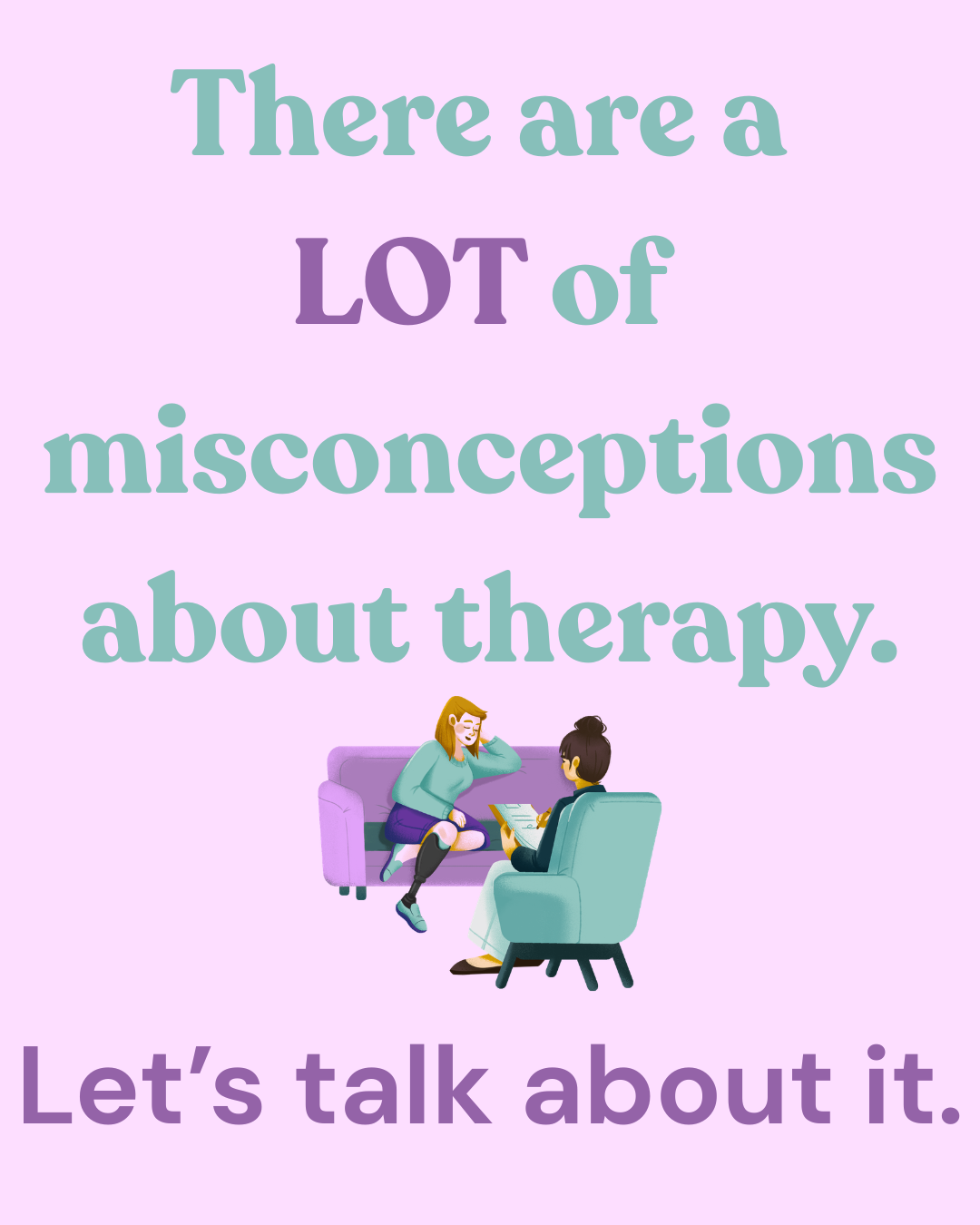
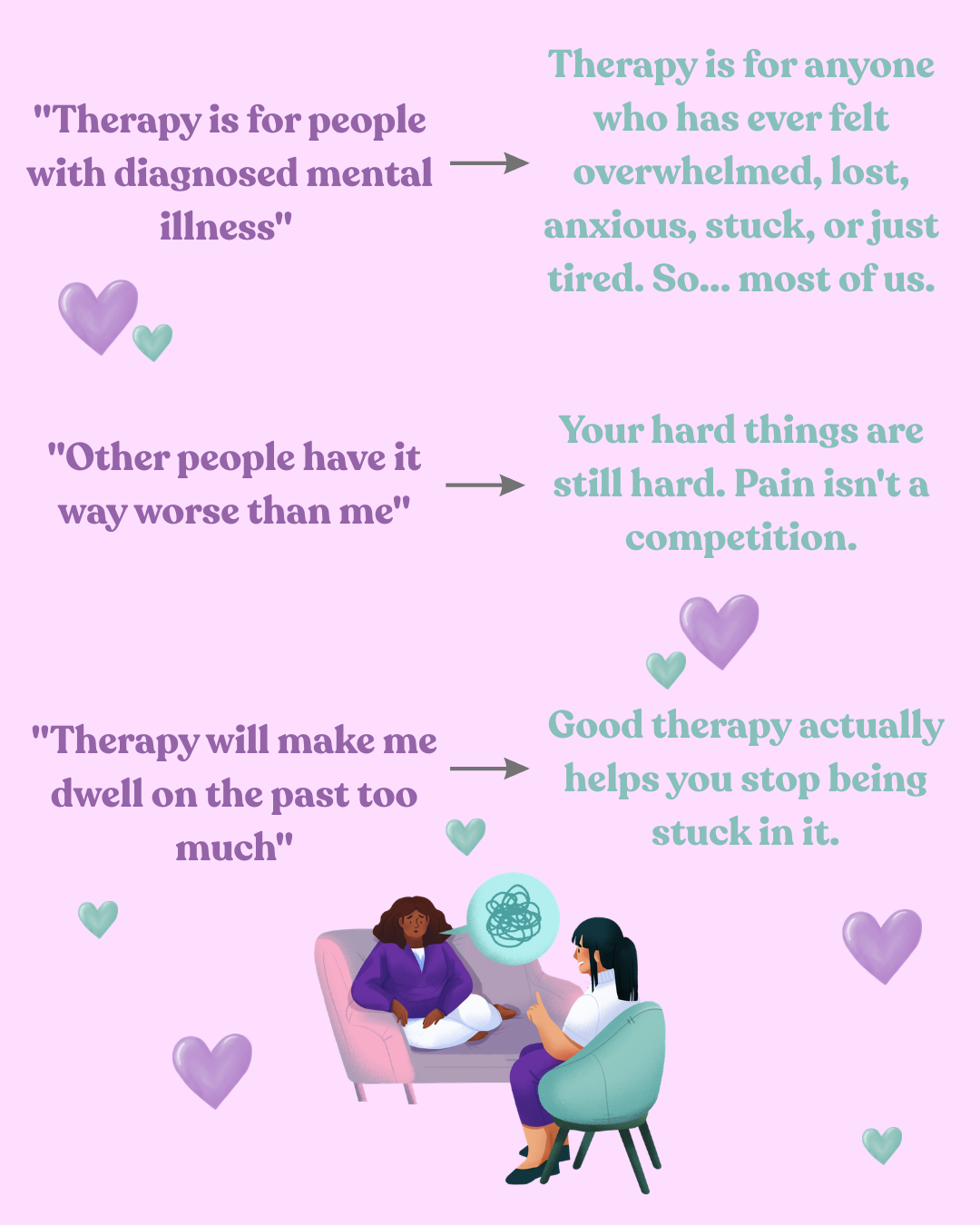
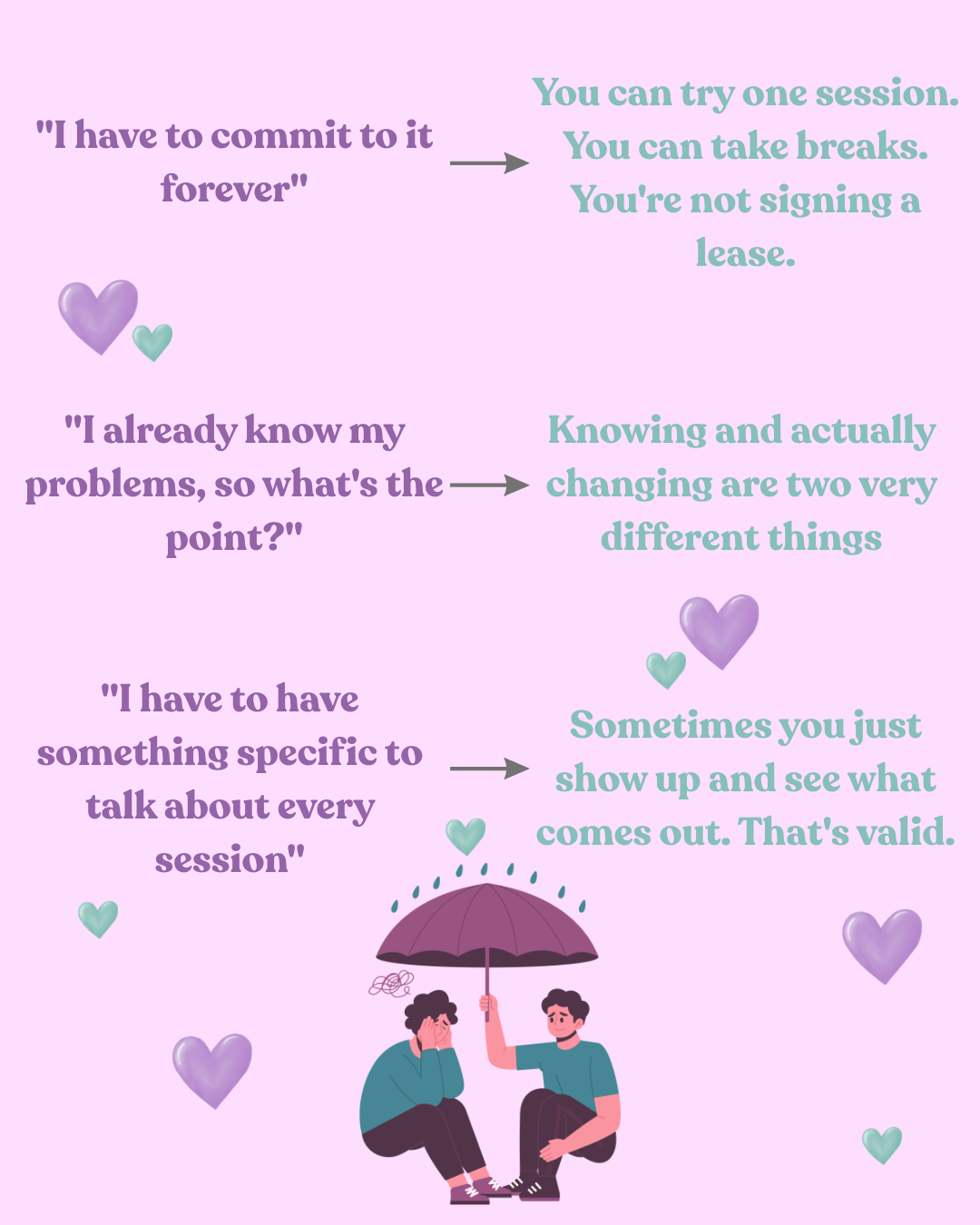

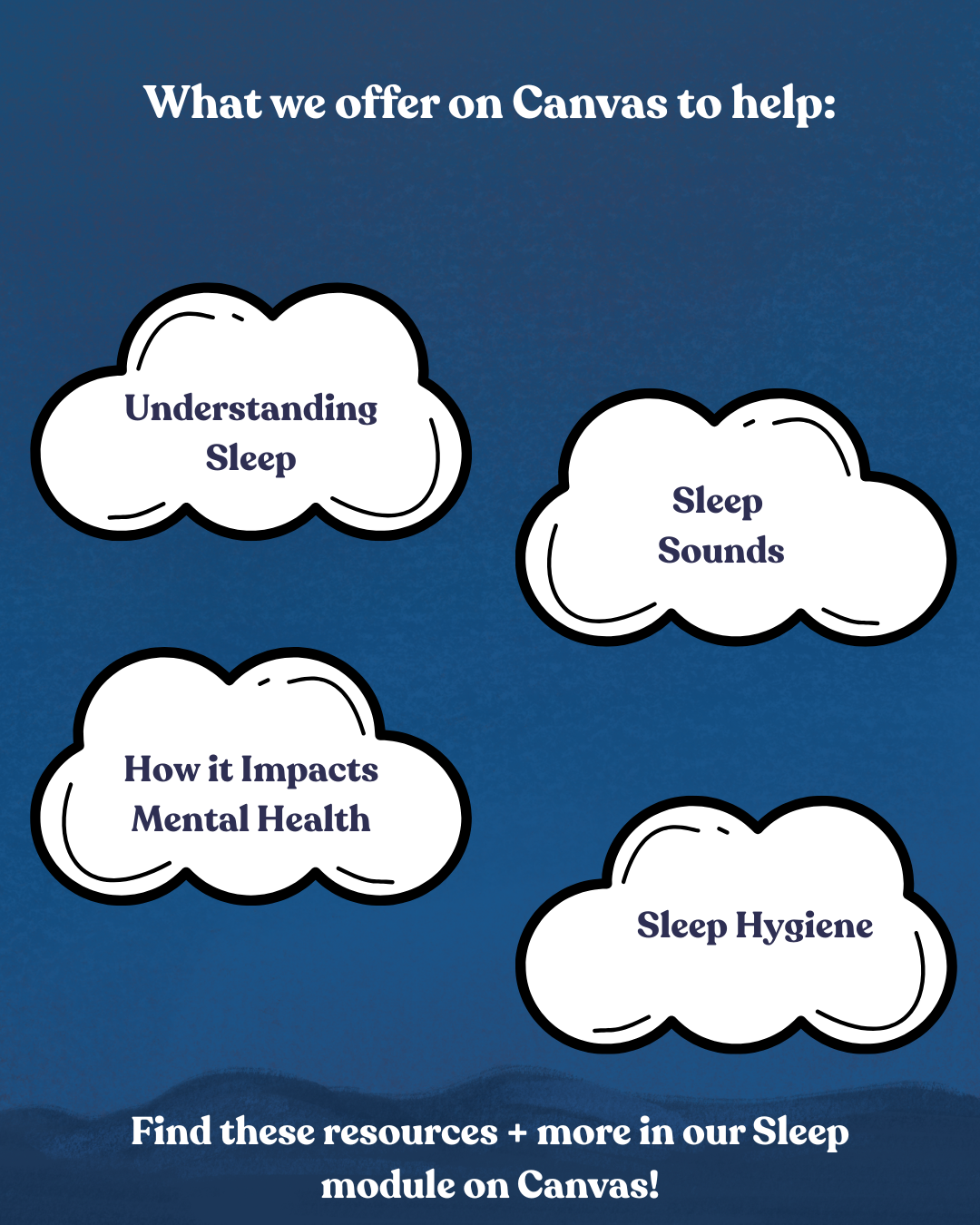




Web Design
Green Thumb Artistry
As part of my Red Feather Marketing internship, I made this website for my client. Instead of paying for hosting a domain, my client wanted a free website.
Visit Site →Writing
Position Paper on Post-Sentence Felon Voting Rights
The question of restoring voting rights for felons after their sentences have been served has been significant in the United States recently, and it does not involve only legal theory, justice, and democracy. It goes much deeper than that. At its core, it is a question of humanity, dignity, and the possibility of redemption. Many Americans argue that the stripping of felons’ voting rights is a consequence that must happen due to the crime(s) they have committed. When viewed through the combined lenses of history, data, public safety, and democratic integrity, it becomes clear that restoring voting rights upon completion of a sentence is both necessary and just.
Felony disenfranchisement in America has deep historical roots, starting after the Civil War. Many bans on convicted felons were made to be discriminatory toward people of color to make sure they would not gain any political influence. Eventually, Southern states included felony disenfranchisement with Jim Crow laws, often targeting Black citizens through vague or swiftly applied criminal statutes. “In many states, crime was redefined and expanded to include minor offenses largely as a means of racial control in the Jim Crow era.” (Equal Justice Initiative, 2020). Even after the Civil Rights movement and the passing of the Voting Rights Act in the 1960s, felony disenfranchisement remained largely untouched and widespread. Today, it remains a significant yet complex issue across the country, especially in the South. Minority groups are still very much affected, especially the Black population. “In the United States, more than 4.7 million people are denied the right to vote due to a felony conviction, including nearly 1 in 5 Black adults.” (Brennan Center for Justice, 2022). The Brennan Center also states that ten states have completely banned felons from voting, while fourteen states have revoked voting rights until parole or probation is complete. The rest of the states either let felons vote after being released or have no bans at all. Because of these bans, there are millions of people who are unable to vote even though they are free American citizens.
Despite many Americans believing in taking those rights away, we as a society completely disagree. When people leave prison, they are expected to rebuild their lives, reconnect with their families, secure employment, and contribute to their communities. Yet, despite doing everything society asks of them, many are still denied the basic right to vote. This restriction sends a painful and damaging message: You will never fully belong again. Our society does not believe in felony disenfranchisement, and we argue that felons should be able to vote without complication after their incarceration.
One of our strongest arguments for keeping voting rights for convicted felons is that their punishments should end when their incarceration ends. Once convicted felons have completed their sentence at prison, extending the punishment further by taking rights away is excessive. When a judge hands down a sentence– whatever that may be– it was intricately and carefully planned to match the crime that the felon committed. Furthermore, many convicts have to face probation where they are supervised after incarceration. Even the felons who are able to be released early are under supervision. Both allow felons to reintegrate into society and ensure public safety. This further proves the point of needing no further punishment after release and possibly probation. After completing all legal obligations, convicted felons have completed the punishment for their crime(s), so why continue it?
Another reason there is no point for felon disenfranchisement is that voting rights restoration helps convicts successfully make their re-entry into society, and it reduces recidivism. When felons have a say on what happens to society and feel valued, they will be more inclined to abide by the law. Overall, voting is one of the most fundamental ways Americans invest in their futures, and it’s how they express their memberships in communities. When we deny formerly incarcerated felons the right to vote, we are telling them that they do not belong and that their voice does not matter. When that happens, ex-convicts feel alienated, and alienation is a very common cause of re-offending and being incarcerated again. The logic is simple yet powerful. When people are not seen as part of a community, they have far less reason to maintain a good standing in a society that has basically rejected them, “Research shows that banning people from voting ostracizes them, is psychologically harmful, and negatively affects their perceptions to remain law-abiding. These offense-based voting bans do nothing to make us safer.” (Sentencing Project). When we give convicted felons the right to vote, we are essentially telling them that they have a role in the community, and they are conventional citizens just like everyone else. We’re giving them practical reasons to follow the law, because being able to vote gives them things to protect and invest in. We’re also sending a message of trust and respect, which can be transformational for someone who has been told the opposite for a long time. Allowing them to vote allows them to make the transitions in life, where disenfranchisement contributes to alienation and reoffending.
While the historical roots of felony disenfranchisement are tied to racism and the deliberate suppression of African-American political power after the Civil War, it would be a mistake to treat this as a historical problem that no longer affects us today. The truth is, many people of color across the country still struggle with this, “As of 2016, there were 9.5 million American adults who lacked full voting rights, and most of these were people of color.24 Research shows that Black voters are systemically the most likely to be suppressed and disenfranchised. For example, results from a 2017 poll demonstrated that 19% of voters who identified as African American reported instances of racial discrimination when they attempted to vote or participate in politics, as compared to 15% of Latinos, 10% of Native Americans, and 7% of Asians.” (BYU). These aren’t isolated incidents or small numbers. This genuinely affects millions of Americans, especially ones who have already felt like outcasts beforehand. This is yet again another predictable result of the criminal justice system targeting minorities- especially Black Americans. The result is the same political exclusion that Jim Crow achieved, just through a different mechanism.
There are many Americans who agree with felony disenfranchisement, one of the most common being that convicted felons “broke the social contract”. Their perspective is that if someone breaks the law, especially felons, they should be stripped of the rights, protections, and privileges society offers. Just as we don't allow children to vote because they lack the maturity and judgment to make informed decisions, this argument suggests that felons have proven through their actions that they lack the judgment or respect for law necessary to participate responsibly in democracy.
Another argument they have is that they are concerned about public safety, and they seem to think they cannot trust any previous felons. Whether they committed violent crimes, fraud, or other serious offenses, they showed that they would harm others for their own benefit. Opponents argue that because voting is a process of people making collective decisions that affect things such as safety and well-being for everyone in the community. Why should convicted felons participate in this if they were once a detriment to these things?
However, we completely disagree. Our first question to the opposing Americans is this: What do felons voting have to do with overall safety? Our own answer is nothing. Collectively, we are all voting for the same people or policies, so it does not make any sense from a ‘public safety’ standpoint. We also still think that the punishment should fit the crime, and these felons have already gone through the consequences of their previous actions. What more do they have to do to gain basic rights we all have? What does voting have to do with the crime they committed? Why did a convicted felon get voted in if many felons cannot vote?
The path forward requires action at both the federal and state levels to fully dismantle the system of felony disenfranchisement that continues to deny millions of Americans their fundamental right to vote. When it comes down to it, these convicted felons are still American citizens, and American citizens inherently have the right to vote. It is unfair to strip away voting rights from felons because nothing they have done goes against the guidelines of being able to vote.
There needs to be a reform federally and state-wide, especially in those that have very strict restrictions. Reform must include ending the war on marijuana, which has been one of the primary drivers of felonies and disenfranchisement. Marijuana legalization at the federal level, decriminalization of possession, and treatment-focused approaches rather than incarceration would dramatically reduce the number of people entering the system with felony convictions.
The question of felony disenfranchisement ultimately comes down to a choice about the kind of society we want to build. Do we want a society that believes in permanent punishment and alienation, or one that believes in growth and the fact that people can truly change? The formerly incarcerated have done their time. They've faced their consequences. Now it's time for us, as a society, to honor our democratic commitments, to reject the racist foundations of these laws, and to build a more inclusive, more just, more truly democratic America.
Mock Pitch about Felony Disenfranchisement
Dear Clark Merrefield,
I have seen multiple of your articles revolving around felony disenfranchisement, and I am thoroughly impressed and fascinated. Your hard work and dedication on this topic haven't gone unnoticed—we see how deeply you've committed yourself to this cause. As a member of the Institute of Civic Justice Studies, this is a topic me and my whole organization are very passionate about. Our organization’s goal is to spread awareness about felony disenfranchisement, and ultimately help to end it.
That being said, we are holding an event to speak out about it. We want to gather like-minded, spirited individuals such as yourself to come to an event about this issue. We truly believe that you are one of the most knowledgeable and driven people when it comes to felony disenfranchisement, so we’d like to invite you to cover our event. We are holding a discussion panel from 2-4 P.M. on January 8th at the Georgetown Law Center in Washington D.C., and we’d love for you to come.
There will be five panelists who will speak to an audience of advocates, policymakers, legal scholars, and community members about discussing their research, experiences, and vision for reforming felony disenfranchisement laws. We would provide you with everything you would need such as transportation and lodging, free of cost. I would love to call you to talk more about this and provide further information. What days or times in the upcoming week work best for you?
Thank you for your time and consideration,
Mikayla Morrissey
Institute of Civic Justice Studies